Why Everyone Misses 2016: The Internet, Attention, and a Simpler Time

Everyone seems to be posting 2016 throwbacks lately. Old photos. Old captions. Old songs. And the same sentiment keeps coming up: life felt better back then.
Part of why this conversation is trending now is simple: it’s been a decade. Ten years is a natural milestone, and it gives people a clear moment to look back and reflect on how much has changed.
2016 was one of the last moments before digital life became nonstop. Before infinite feeds. Before constant notifications. Before being online felt like something you had to recover from.
But this nostalgia isn’t really about trends or aesthetics. It’s about attention. Let’s explore why everyone misses 2016 — and why it’s trending across social media.
When Attention Felt Easier to Protect
In 2016, phones were part of life, but they weren’t always competing for it.
You could check social media, put your phone down, and move on. Notifications existed, but they didn’t constantly interrupt every quiet moment. Attention still felt like something you controlled. Moreover, it was one of the last moments before digital life became nonstop. Before infinite feeds. Before constant notifications. Before being online felt like something you had to recover from.
That’s a major reason why everyone misses 2016 today. Focus didn’t require tools, boundaries, or constant self-control. It happened naturally.
As platforms have become more optimized for engagement over the past decade, people are exposed to more frequent interruptions, making deep, uninterrupted focus increasingly difficult.
Research has found that smartphone notifications can disrupt attention even when people don’t actively respond to them, highlighting how modern devices constantly compete for focus.
The Internet Was Still Shared, Not Personalized
Pop culture in 2016 felt collective.
Songs like One Dance played everywhere at the same time. Viral moments brought people outside, into parks, cafes, and public spaces. The internet felt like something people experienced together, not alone.
Social platforms reflected that simplicity:
- Feeds were mostly chronological
- Stories were playful, not optimized
- Virality felt more natural and organic.
This sense of shared experience is another reason why everyone misses 2016 — it felt human, not engineered.

What Changed in How We Use Technology
After 2016, platforms didn’t just grow. They optimized.
Feeds became algorithm-driven. Scrolling stopped having an end. Notifications multiplied. Attention became a resource platforms competed for.
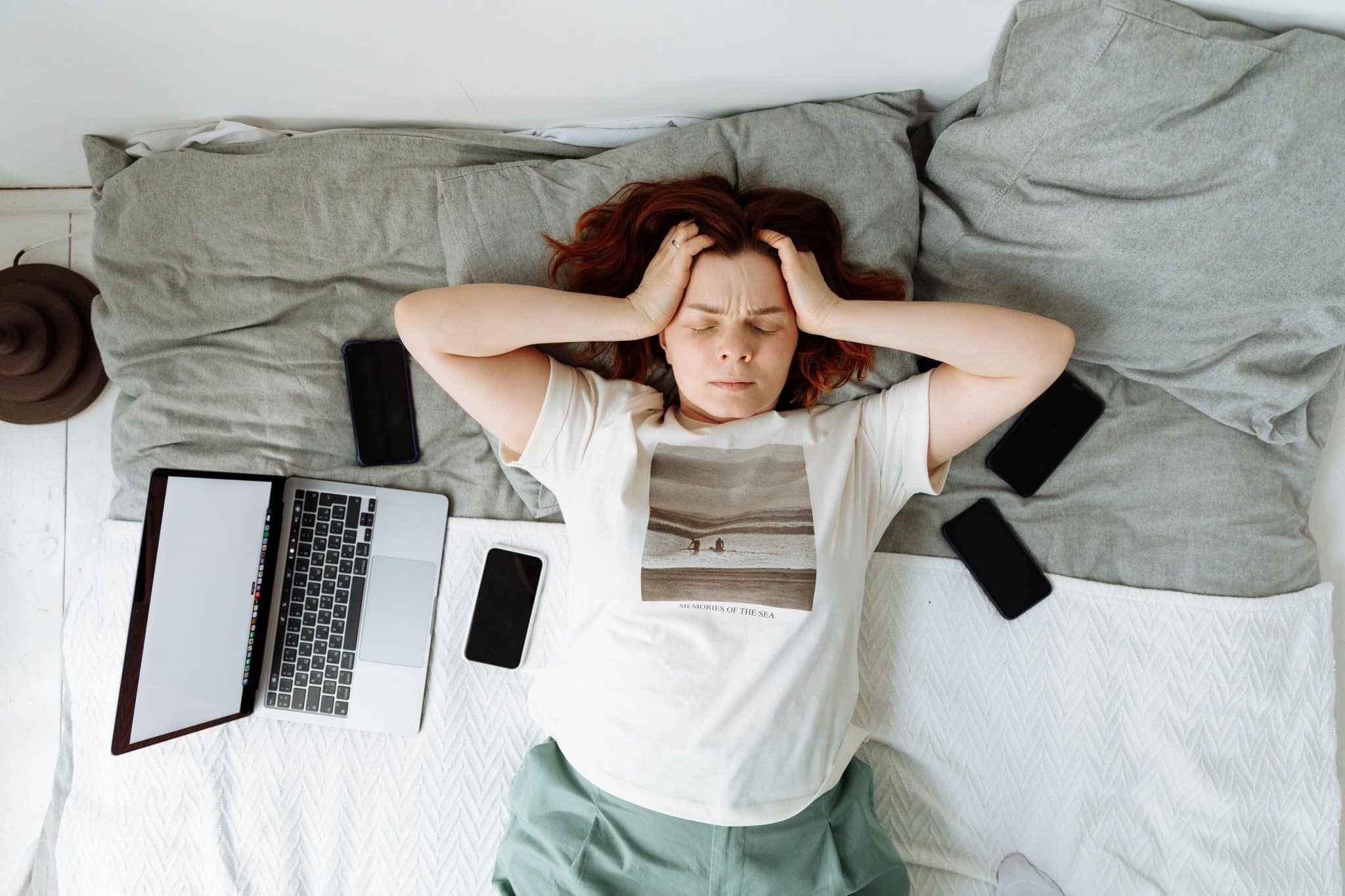
This shift explains why so many people now feel digitally exhausted. Freedom has explored this transition in more detail, including how modern platforms are designed to keep people engaged longer than they intend.
What People Are Actually Longing For
People don’t miss a specific year. They miss what that year represented.
What they’re really longing for:
- Fewer interruptions
- More uninterrupted time
- The ability to be present without effort
- Control over attention
This is why why everyone misses 2016 keeps resurfacing as a cultural conversation. It reflects a deeper desire for calmer, more intentional technology use.
Freedom exists to help rebuild those conditions — not by removing technology, but by helping people use it on their terms

Recreating the Feeling, Not the Year
Nostalgia is a common response when people yearn for “simpler times,” which helps explain why throwback trends feel so powerful.
However we can’t go back to 2016. But, we can recreate what made it feel better.
That means:
- Blocking distractions intentionally
- Protecting time for deep focus
- Reducing unnecessary digital noise
This is the foundation of Freedom’s approach. By blocking distracting apps and websites across devices, people can experience the clarity and presence they remember — without needing to go offline entirely.
You can’t go back to 2016. But, you can choose how technology fits into your life now. Try Freedom and create space for focus again.